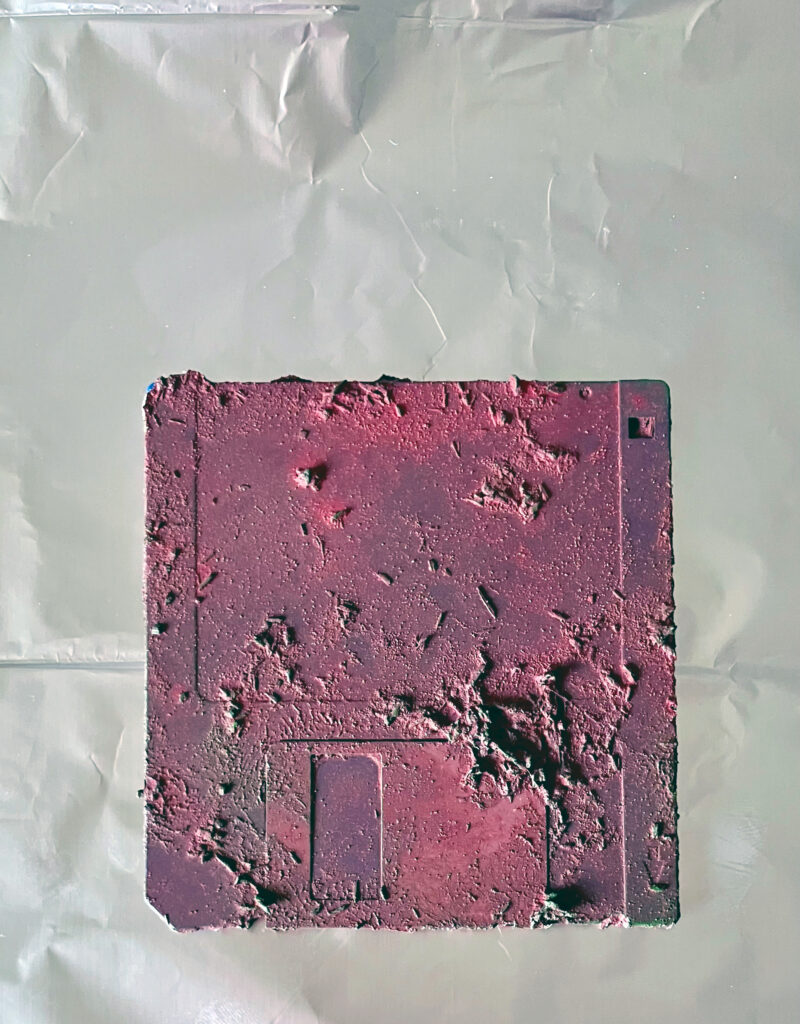
Trance Labyrinth is a work that exists somewhere between a slide show and a film.
Formally, it is quiet and restrained, built from slow image transitions with subtle impulses of motion. I was interested in creating a space where images do not push forward or explain themselves, but instead unfold gradually. Inviting the viewer to slow down and stay with what they see.
The work grows out of a theme that has accompanied me for many years: meditation. I had the good fortune to learn from experienced teachers and to deepen this practice through encounters with monks. Rather than documenting these experiences, Trance Labyrinth is an attempt to find a visual equivalent for them. I try to approach the inner images that appear during meditation. Images that are unstable, layered, and often only half-conscious.
They emerge, overlap, dissolve.
In this sense, the work is a counterproposal to the fast, attention-hungry logic of social media videos, where images are reduced to a few seconds and optimized for immediate impact. Here, change happens slowly. Images build up and fall apart again, expanding and contracting like a breathing body.
I am more and more interested in the concepts of simultaneity and transition: a world of images that is always in motion, never fully arriving, always becoming something else. The “labyrinth” in the title is therefore not meant as a puzzle, but as a mental space. Circular, drifting, and without a fixed center. You do not solve it; you enter it.
The version presented here is an excerpt of approximately five minutes. The final work, however, unfolds over a duration of around twenty minutes (a length that echoes the time frame of many Western meditation practices).
Some technical details: As I grew up with DVD, the final format is 720 x 576 (Standard Definition for PAL DVDs) / single channel projection – best viewed on a CRT monitor / the physical version will be a limited release on DVD
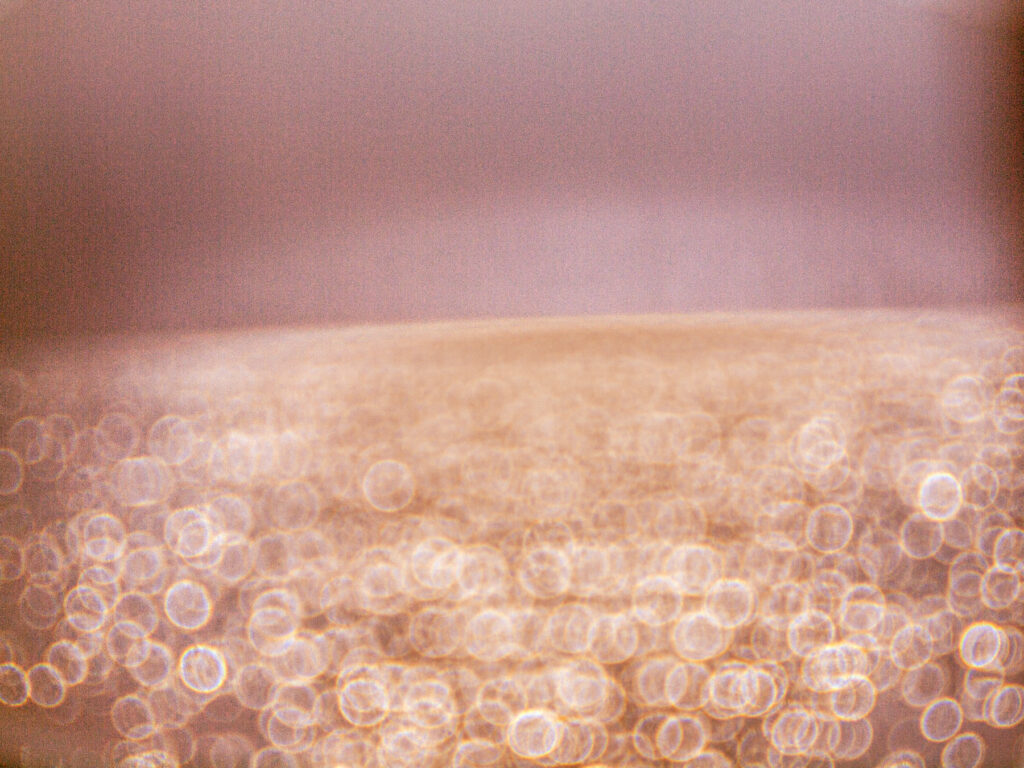
Sometimes my images sit on hard drives for years, almost sleeping. I forget about them, move them from one backup to the next, and then, almost by accident, I stumble across them again.
That is exactly what happened with the Capri photographs.
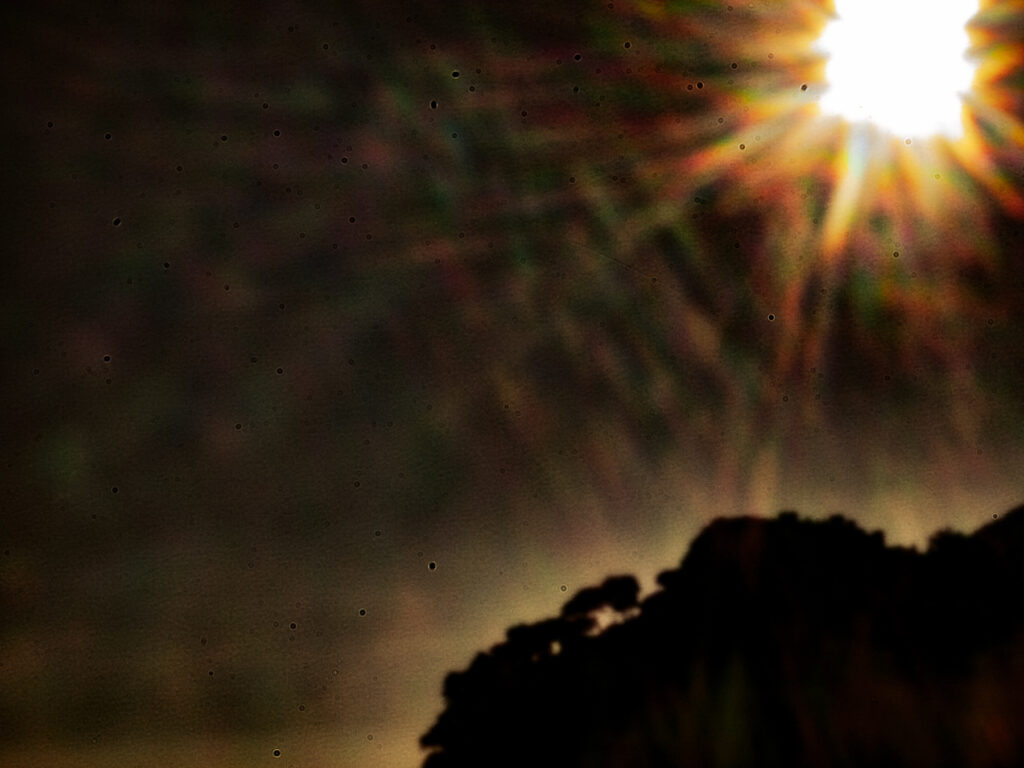
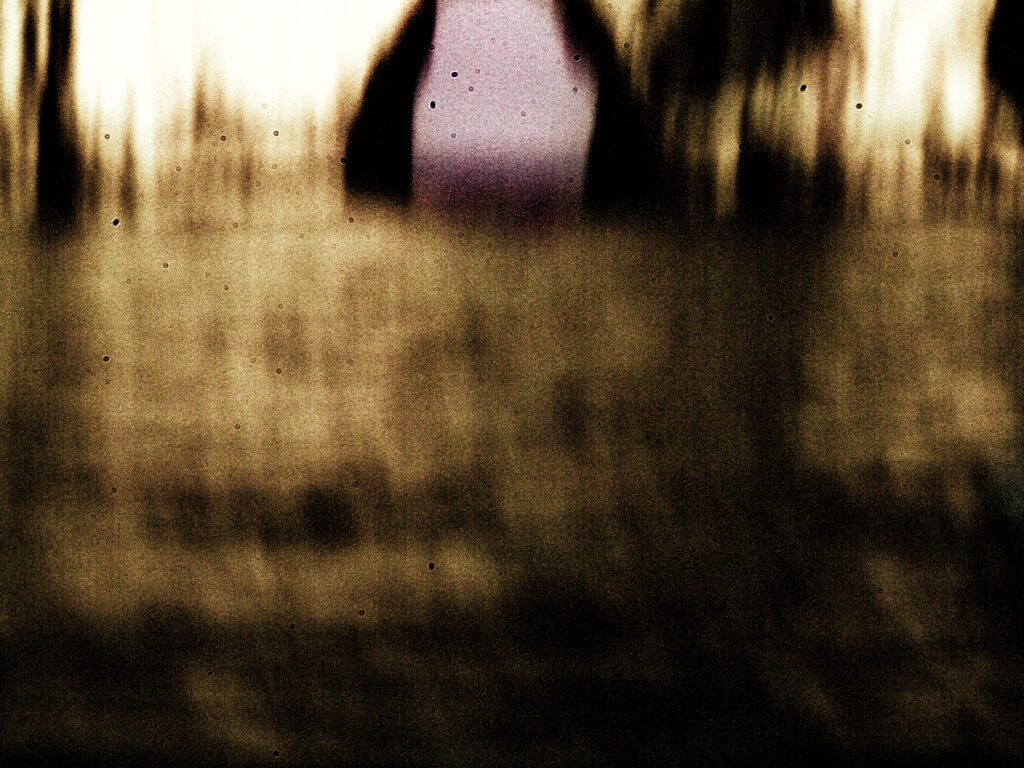
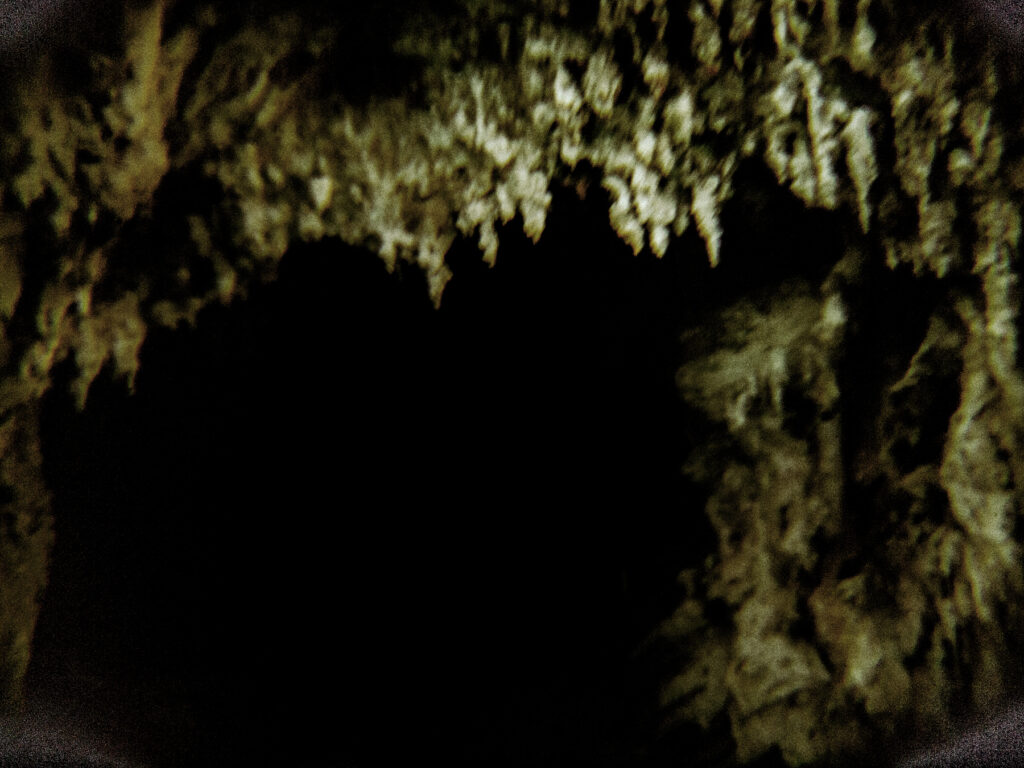
When I rediscovered them, they felt strangely unfamiliar. This distance in time changed how I looked at them. They no longer belonged to a specific trip or situation, but began to form their own atmosphere.
Most images are made with long exposure times. This is important. The camera does not observe; it drifts. Forms lose their edges, light becomes substance, shadows begin to breathe. The photographs slide toward the psychedelic, but not as effect. More as condition. I wanted to catch something unstable, the mysticism of the island, which cannot be fixed and resists clarity.
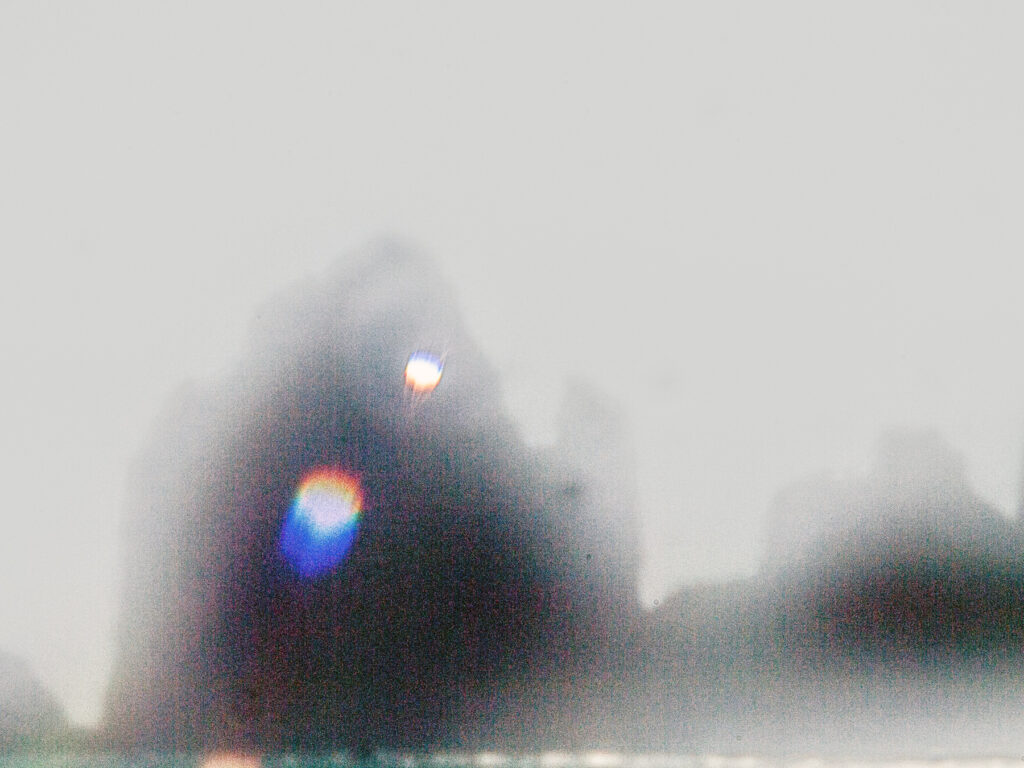
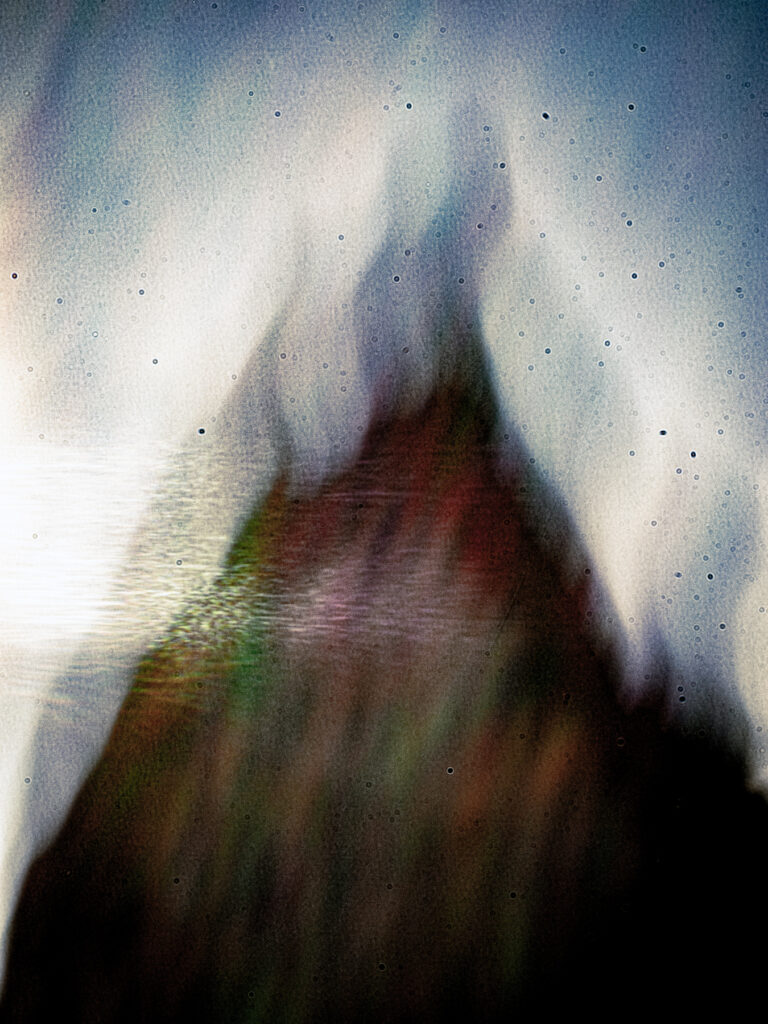
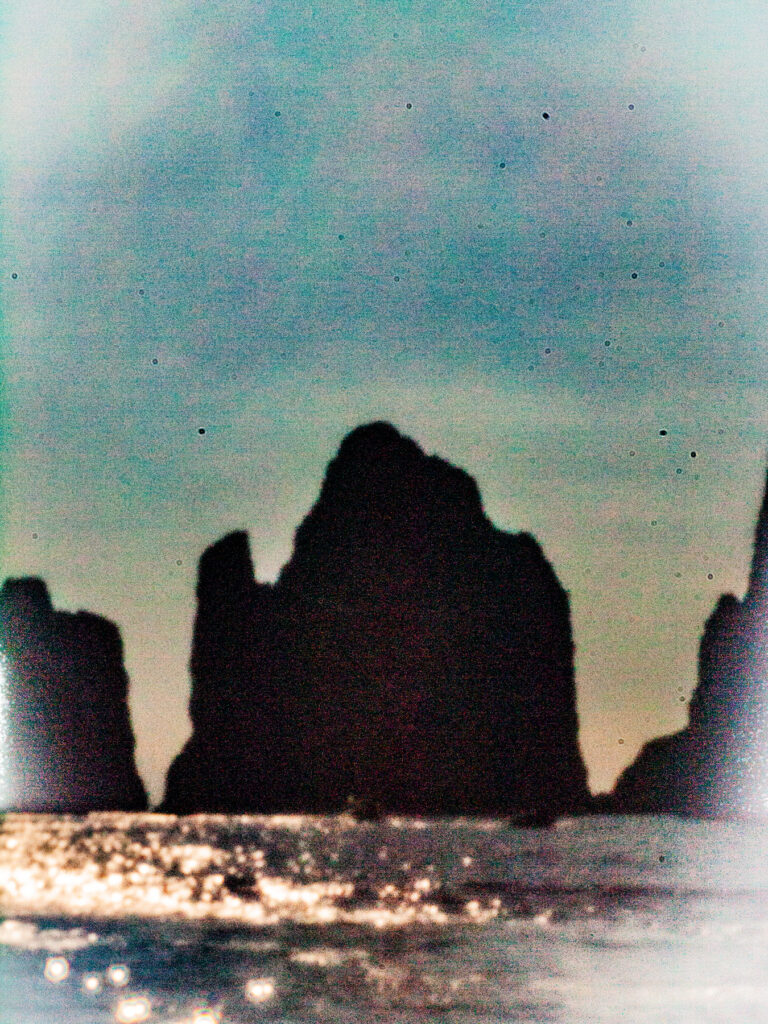
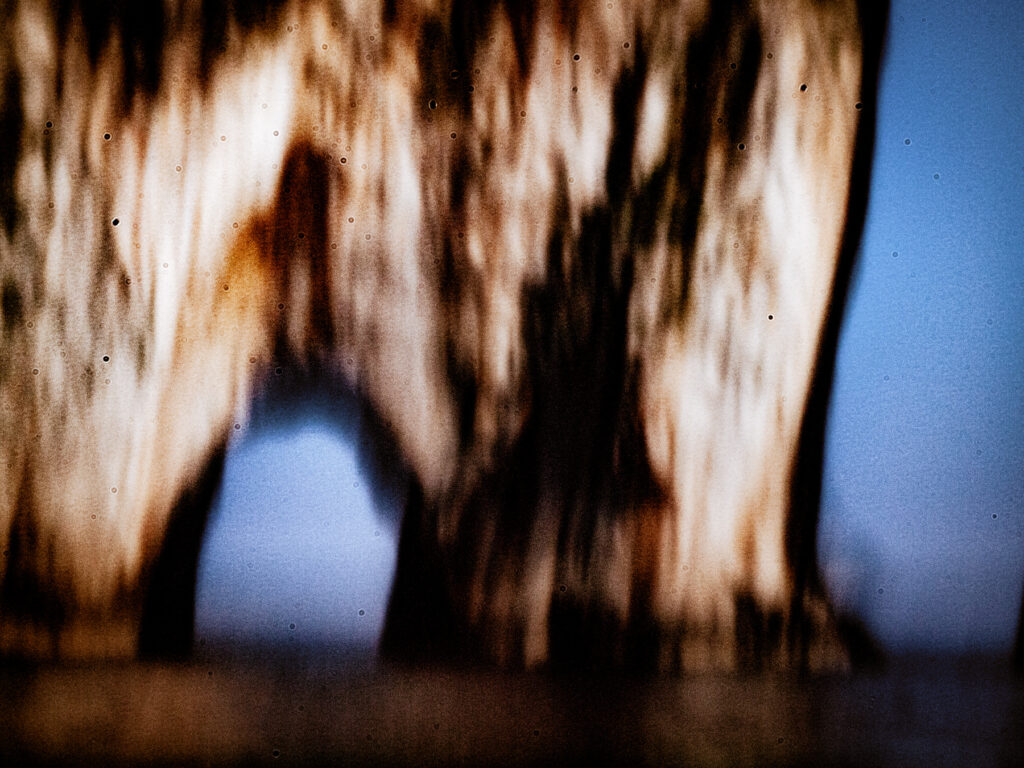
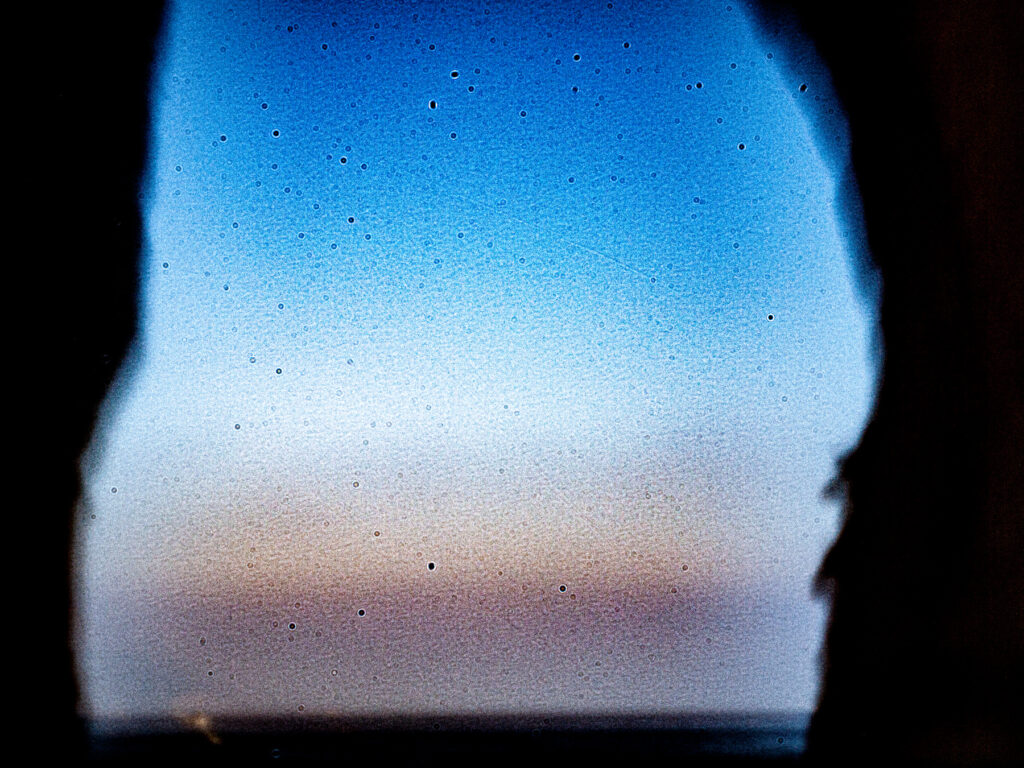
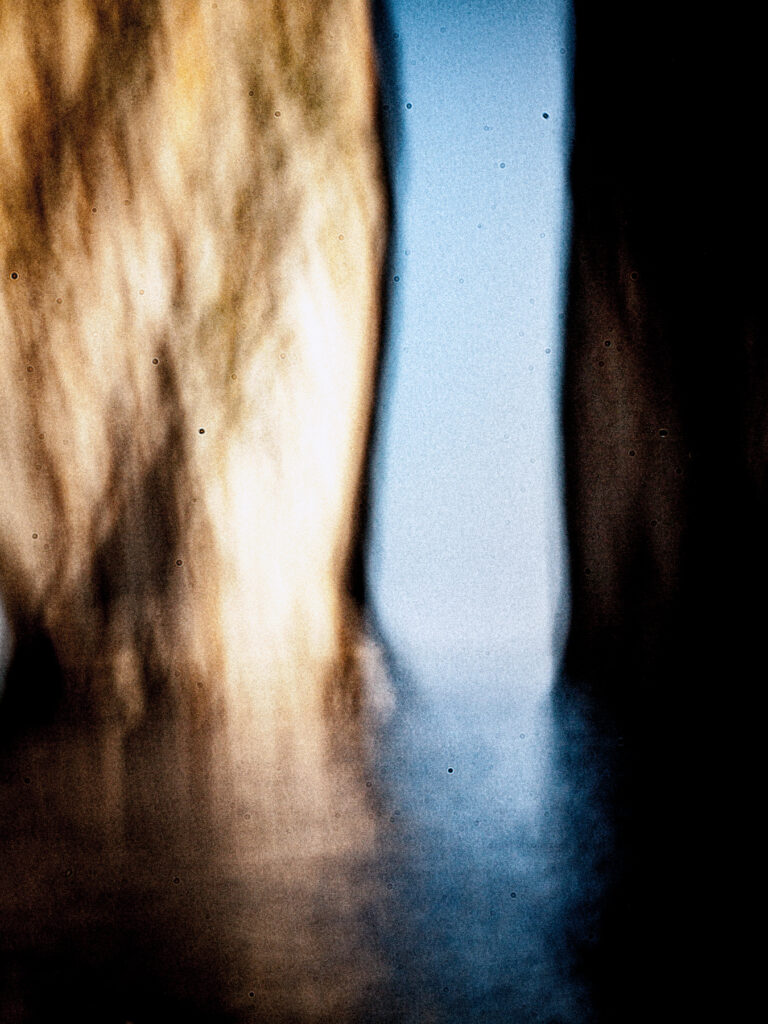
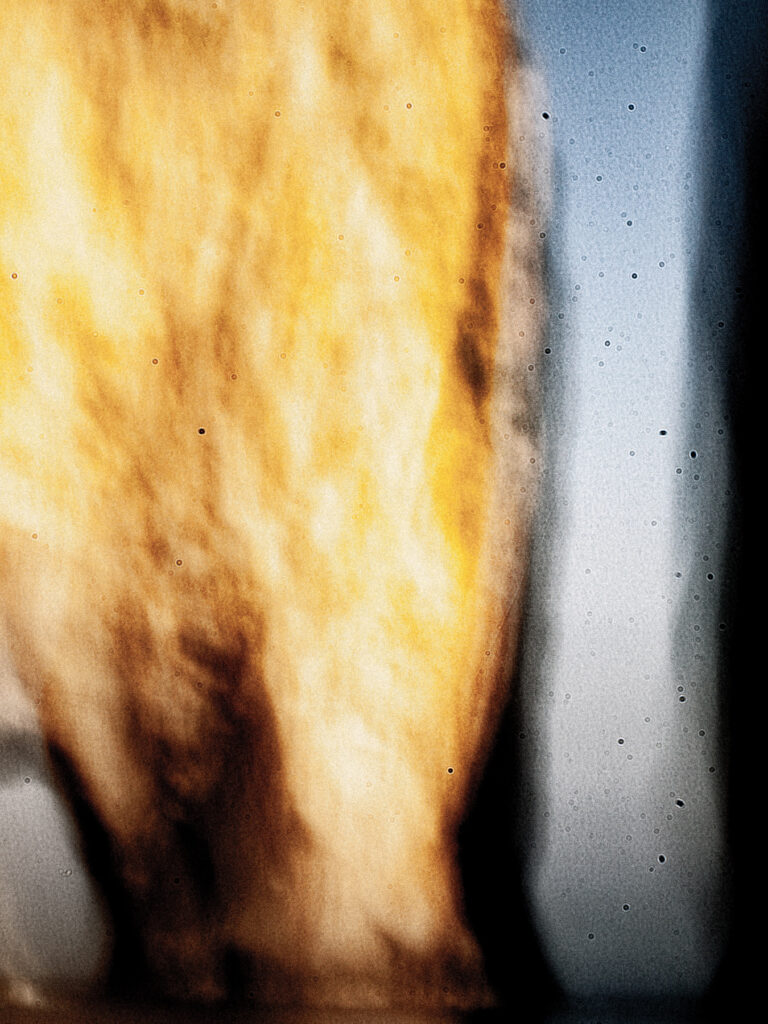
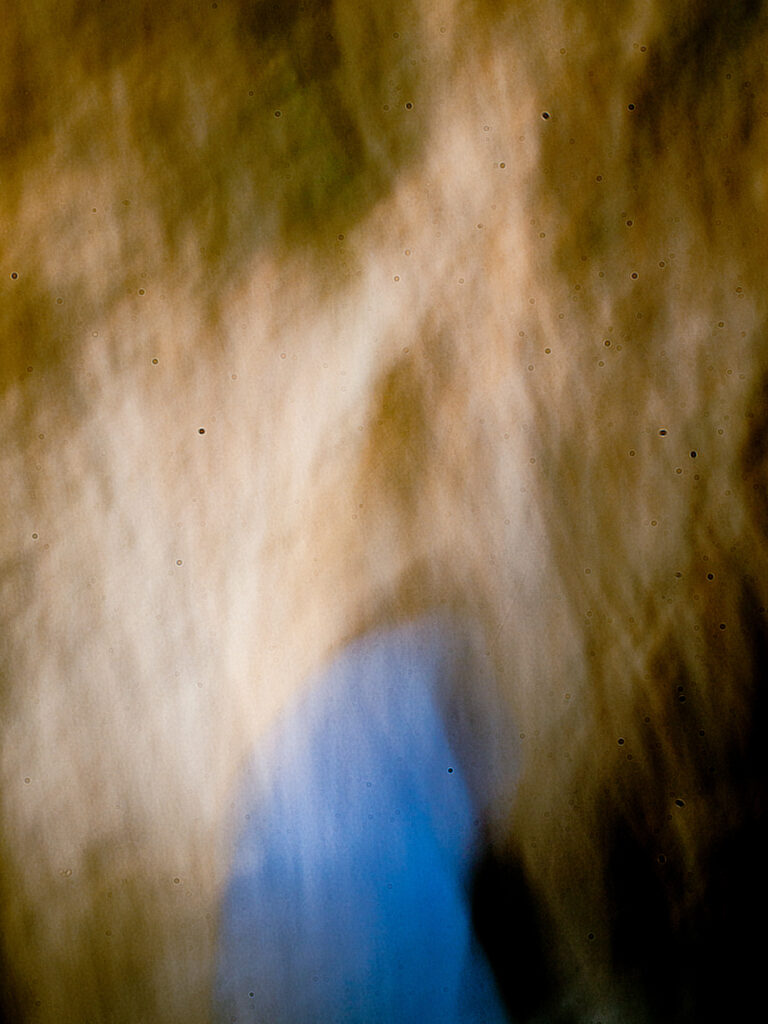
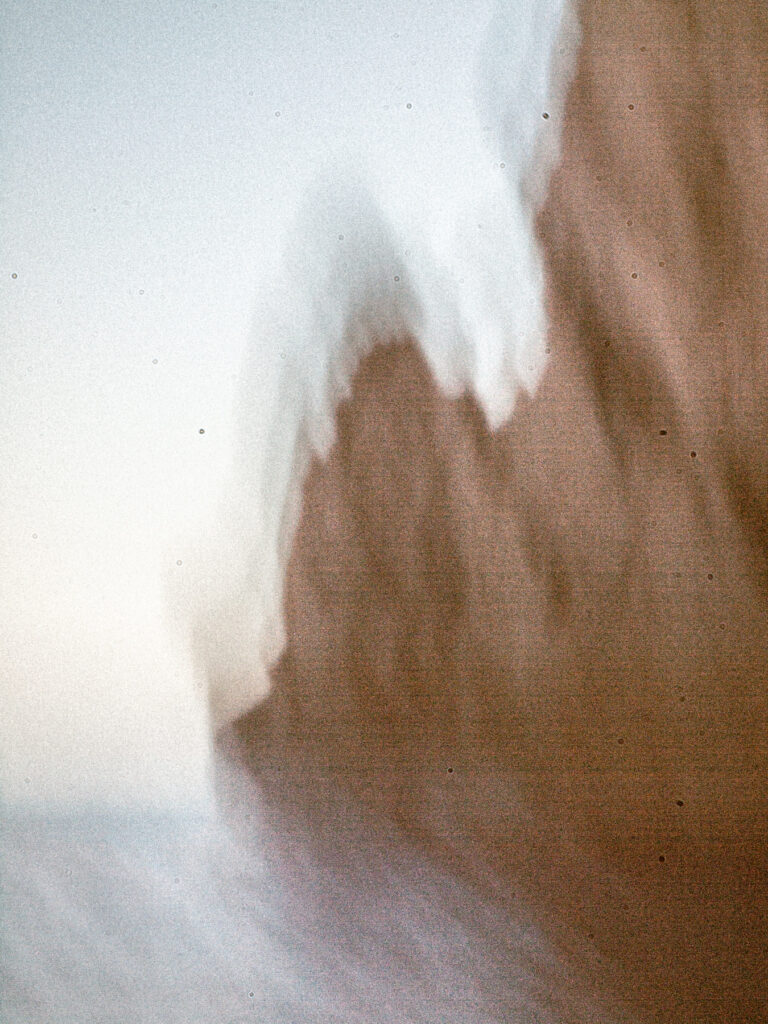
Capri is a layered terrain of history, myth, and projection. Artists and outsiders like Karl Wilhelm Diefenbach and Joseph Beuys were drawn here, each in search of something that exceeded conventional ways of living and thinking.
While working, I carried an inner soundtrack with me: Manuel Göttsching / Ashra Tempel. His music stretches time, opens inner spaces. The images follow this logic. They are slow, extended, hovering. They do not arrive.
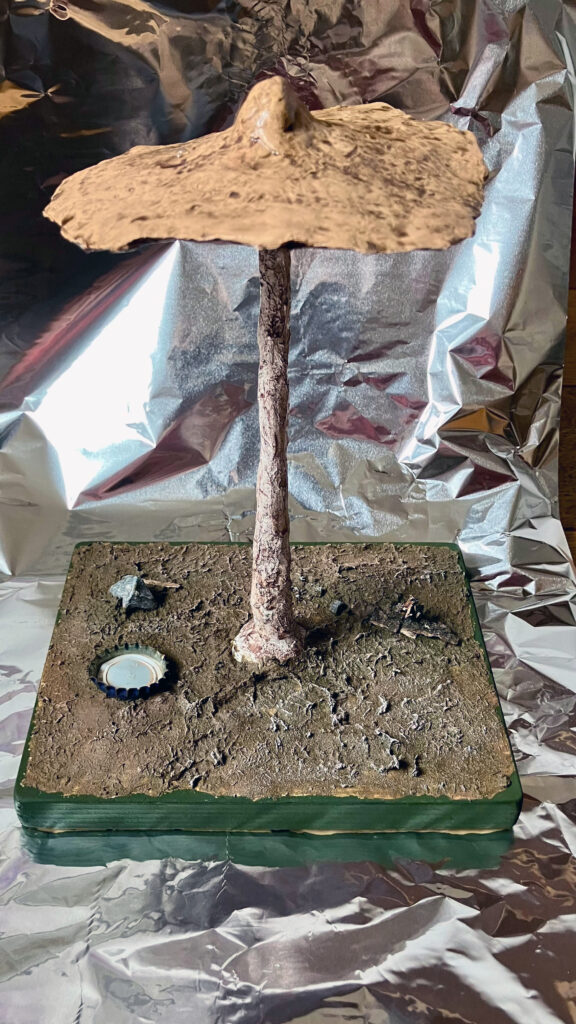
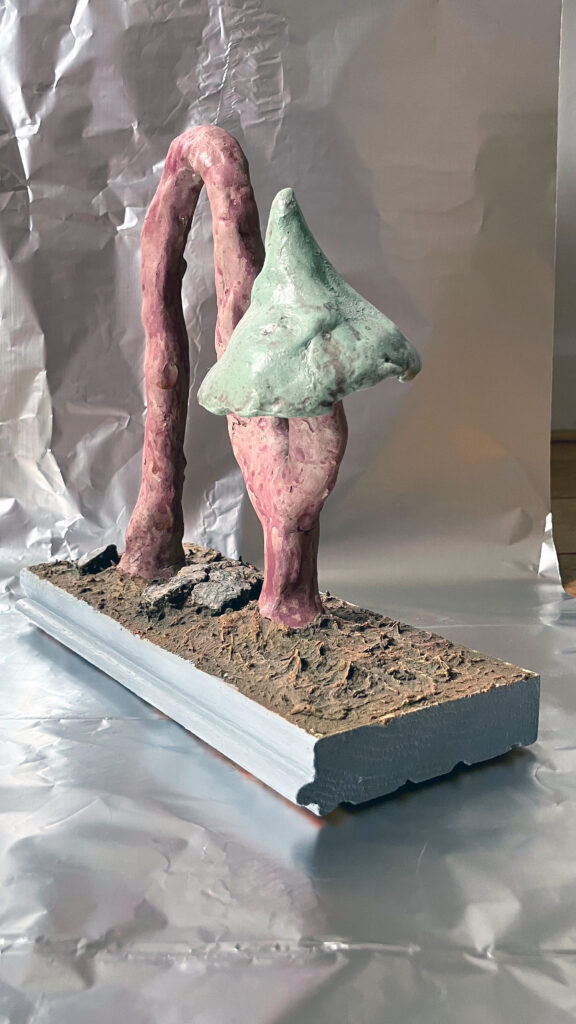
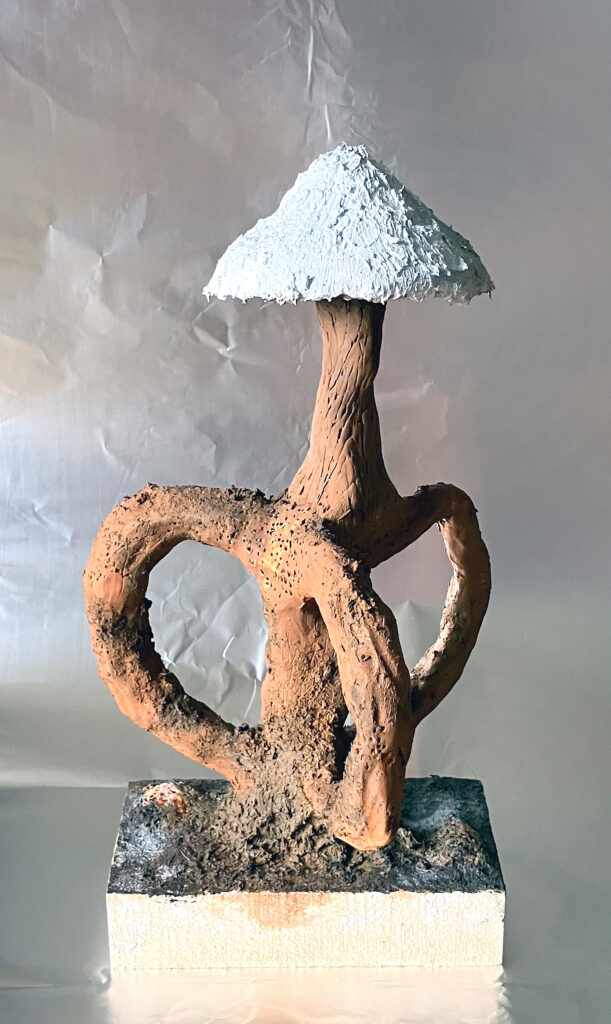
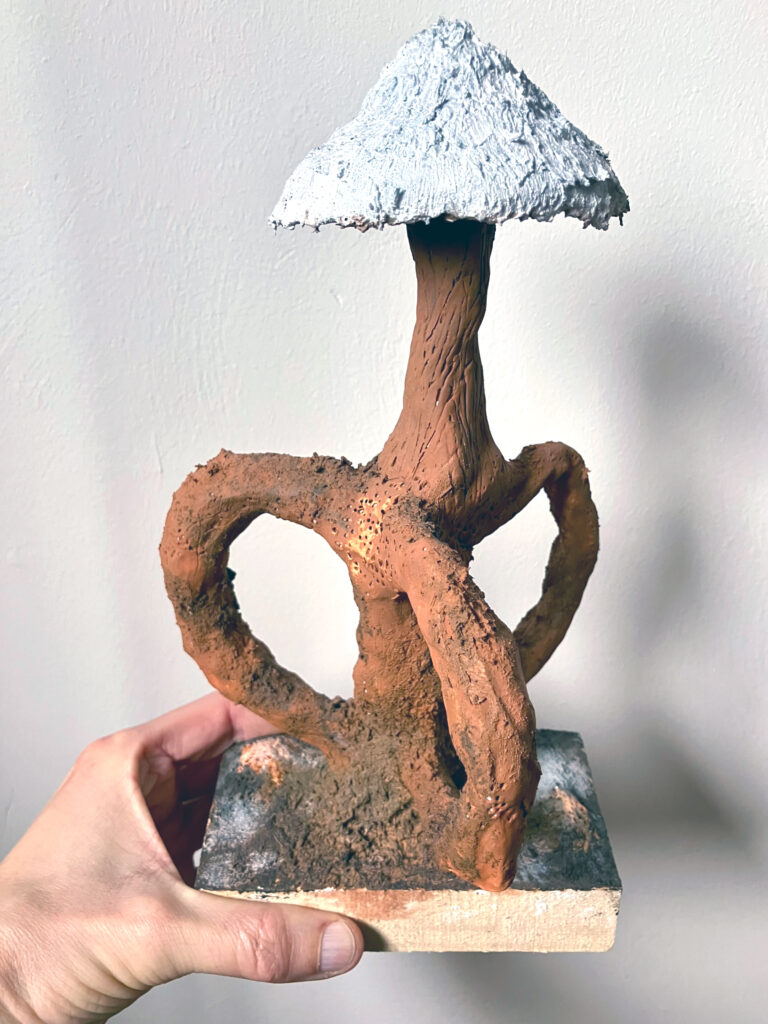
… just some self-built props from my archive.